Author: Arthur Cunningham

Unveiling the Potential of DeFi: Transforming Traditional Finance

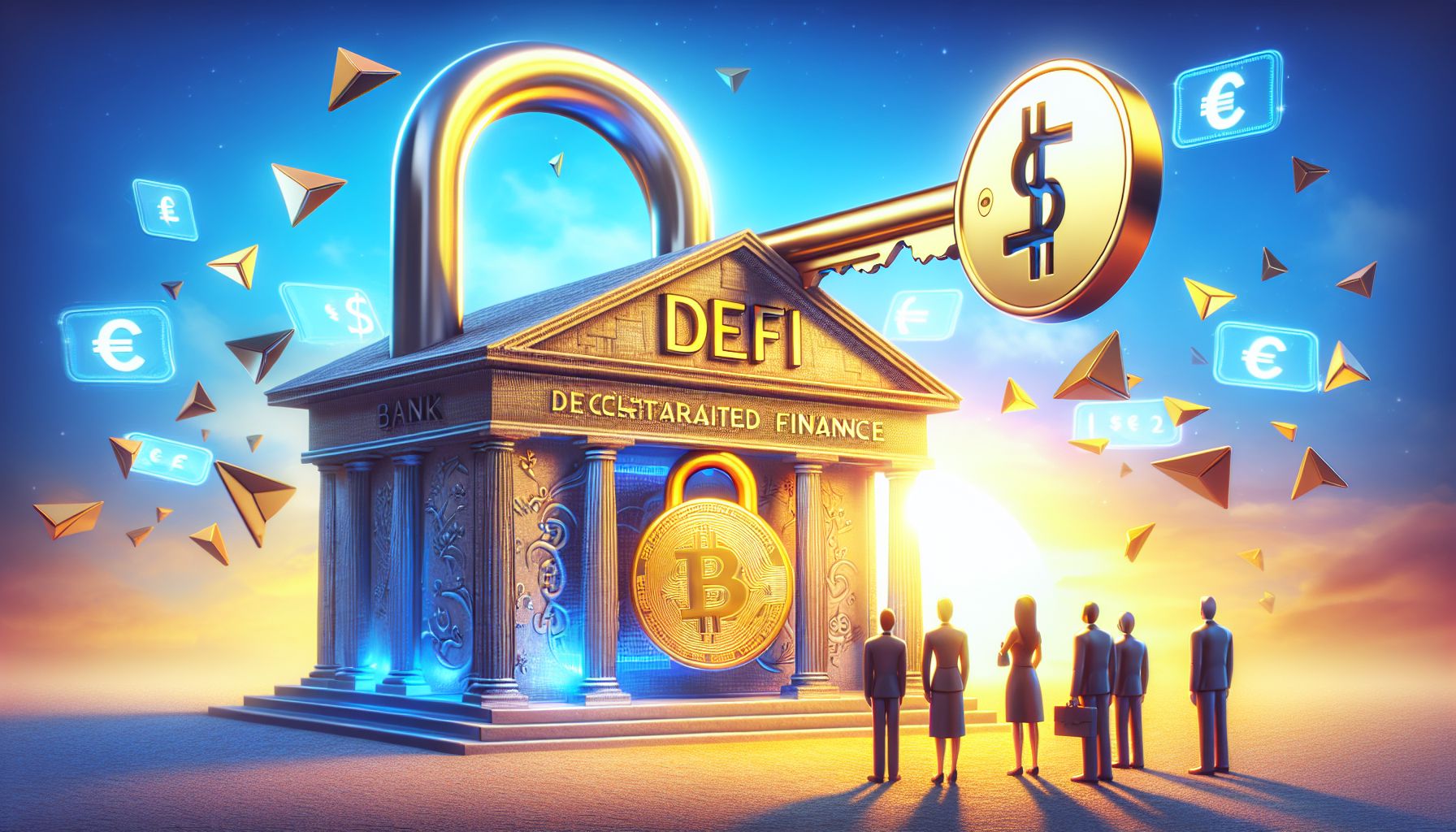
The evolution of financial services is taking a promising leap with the emergence of Decentralized Finance, commonly known as DeFi. As a paradigm shift from the traditional, centralized financial systems, DeFi introduces a world where financial transactions happen on a peer-to-peer basis, with blockchain technology at its core. It is revolutionizing how we think about money and investment by providing open access to a range of financial services without the need for intermediaries such as banks or brokers.

Introduction

For centuries, financial systems around the world have been controlled by central institutions. However, the dawn of the digital age has brought with it disruptive technologies that challenge the status quo. At the forefront of this financial renaissance is DeFi, which leverages blockchain technology to create a transparent and inclusive financial ecosystem. This blog post will delve into the revolutionary world of DeFi and its impact on the future of finance.

Body

Decentralization at Its Core
At the heart of DeFi is decentralization. Unlike traditional finance, where banks and centralized institutions hold the reins, DeFi spreads control across its stakeholders. Through smart contracts on blockchain platforms like Ethereum, financial services such as lending, borrowing, trading, and insurance can be deployed and executed automatically without the need for a centralized authority.

Accessibility and Inclusion
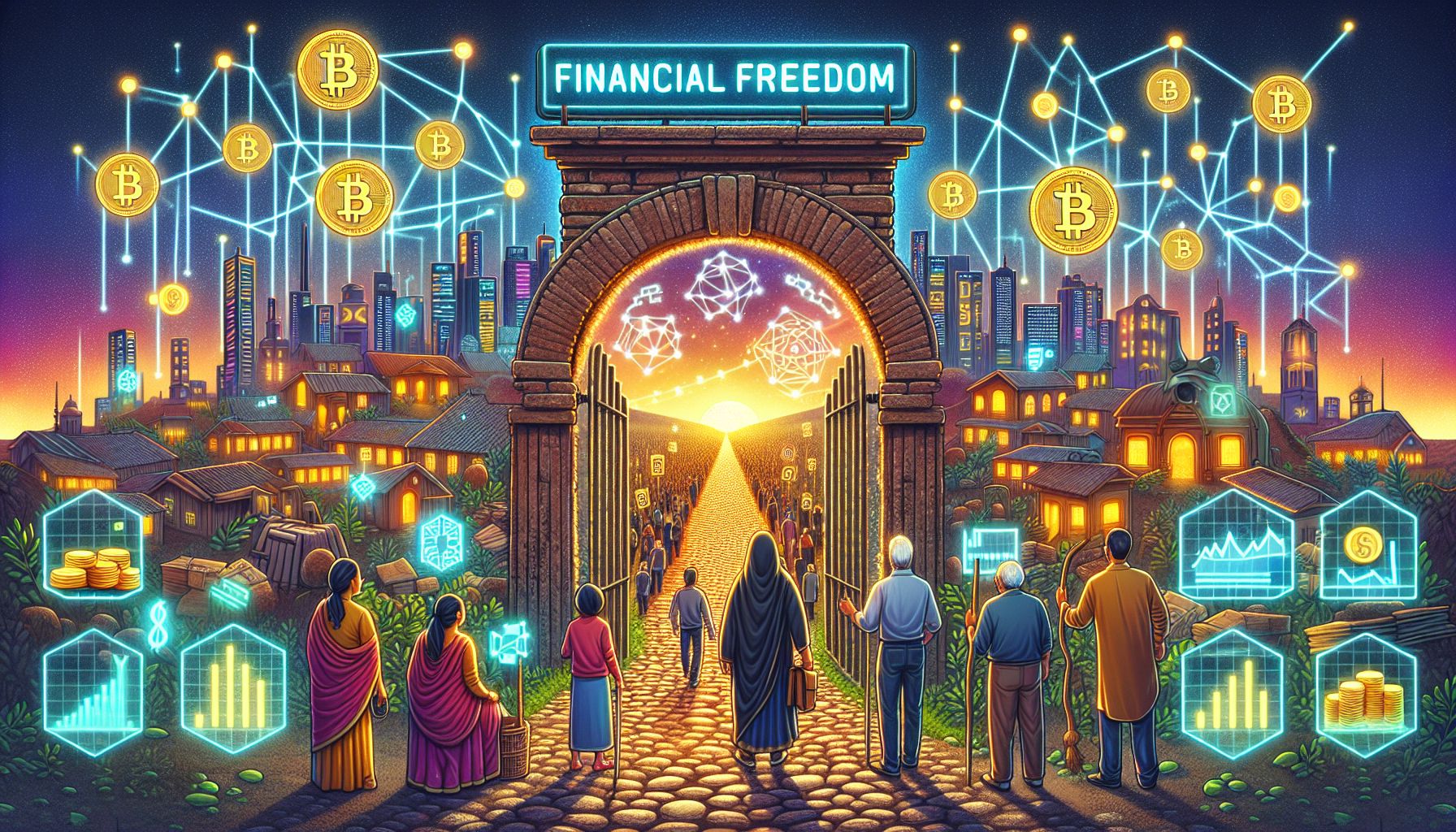
DeFi is open to anyone with an internet connection. This inclusivity means that people who are traditionally unbanked or underbanked can now access financial services. DeFi platforms remove barriers, offering a seamless experience for users to engage with financial products.

Innovation and Yield Farming
Innovation is rife in DeFi. The sector sees constant development of new protocols and mechanisms to optimize financial transactions. One of the most talked-about phenomena is “yield farming,” where users earn returns by providing liquidity to DeFi platforms. This incentive model has attracted considerable attention and investment, though it’s not without its risks.

Summary

The potential of DeFi is clear. It offers a vision of financial autonomy, innovation, and inclusion that stands in stark contrast to the limitations of traditional finance. DeFi is still in its nascent stages, with risks and regulatory challenges that need to be navigated. However, as the technology matures, we can expect DeFi to become a formidable force in reshaping finance. We are witnessing just the beginning of what could be the most significant financial transformation of our lifetime. With careful development and responsible adoption, DeFi can lead us into a new era of financial democracy and prosperity.

Unveiling the World of DeFi: Empowering Financial Freedom

The landscape of finance is undergoing a seismic shift, with decentralized finance (DeFi) at the spearhead of this revolution. As we steer away from traditional, centralized financial systems, DeFi emerges as a powerful force, promising to redefine our interactions with money, investments, and assets. But, what is DeFi, and why is it stirring such excitement?

Introduction

Decentralized Finance, or DeFi, is a term that encapsulates a variety of financial services that operate on blockchain technology, particularly Ethereum. It aims to create an open-source, permissionless, and transparent financial service ecosystem, accessible to anyone with an internet connection. In this digital-first era, DeFi is dismantling the gates to financial inclusivity, promising to bring about a world where control over money is back in the hands of the people.

Body

At the core of DeFi’s allure is the replication of existing financial instruments in a decentralized architecture, excluding centralized authorities and intermediaries. This system not only reduces fees by cutting out middlemen but also opens up financial systems to anyone around the world, regardless of their location or access to traditional banking systems.

One of the flagship offerings in DeFi are stablecoins – cryptocurrencies pegged to fiat currencies like the US Dollar to maintain a stable value. Additionally, lending platforms in DeFi allow individuals to lend or borrow funds, earn interest on their crypto holdings, or provide liquidity to a pool for a return, all without the need of a bank account.

Decentralized exchanges (DEXs) are another critical aspect of DeFi. They offer peer-to-peer trading without the need for a central authority, a fundamental shift from traditional stock exchanges. Smart contracts replace the traditional legal agreements and clearinghouses, resulting in a more secure and transparent trading environment.

Yet, DeFi is not without its challenges. The nascent sector has faced issues around smart contract vulnerabilities, high transaction fees during network congestion, and concerns around regulatory clarity.

Summary

In summary, DeFi is an exhilarating and transformational movement that promises to democratize finance, giving back financial control to individuals. By leveraging the power of blockchain technology, DeFi has begun to lay the groundwork for a global, open alternative to every financial service we use today—from banking to loans to asset trading. The ultimate success of DeFi will depend on continued technological innovation, regulatory evolution, and above all, the widespread adoption and understanding of its potential. With its rise, DeFi not only invites us to reimagine our financial system but also challenges us to actively participate in its reinvention.

Unveiling the Potential of Decentralized Finance (DeFi): Revolutionizing Traditional Banking

The financial landscape is witnessing a transformative era with the emergence of Decentralized Finance, or DeFi, a term that is reshaping how we think about banking, lending, and investment. DeFi leverages blockchain technology to offer financial services without the need for central authorities, such as banks, thus democratizing access and control over one’s financial dealings.

Introduction

In a world where financial inclusivity remains a challenge, DeFi could be the key to unlocking a new era of economic empowerment. So, what exactly is DeFi, and how is it set to disrupt traditional banking as we know it?

Body

The Essence of DeFi

DeFi represents a plethora of financial applications in cryptocurrency or blockchain geared toward disrupting financial intermediaries. Unlike traditional finance that depends on institutions like banks to act as middlemen, DeFi is built on secure distributed ledgers similar to those used by cryptocurrencies. This gives users full control over their funds and allows all operations to be conducted without any intermediaries.

Core Benefits of DeFi

Accessibility and Inclusivity: DeFi opens financial services to anyone with an internet connection. It’s a boon for the unbanked and underbanked populations globally, providing them with opportunities to engage in economic activities.

Transparency and Security: With blockchain at its core, DeFi offers unparalleled transparency. Each transaction is recorded on a public ledger, reducing the possibility of fraud and corruption. Smart contracts automatically execute transactions, lending itself to a highly secure environment.

Innovation in Financial Products: The DeFi space is innovative, introducing new kinds of financial products like yield farming, liquidity mining, and automated market makers that are not available in traditional finance.

Lower Costs: DeFi eliminates the costly intermediaries involving in transactions, which means higher yields for investors and lower interest rates for borrowers.

The Flip Side

Despite its revolutionary proposition, DeFi is not without risks. Smart contract vulnerabilities, volatile crypto asset prices, and regulatory uncertainty are considerable challenges. However, as the ecosystem matures, solutions to these issues are rapidly emerging.

Summary

DeFi stands at the forefront of a financial revolution, promising to redefine access to financial services. By leveraging the security and transparency of blockchain technology, it offers a refreshing alternative to traditional banking systems. As DeFi continues to grow and evolve, it could potentially create a more inclusive, efficient, and democratized economic landscape. The journey of DeFi is still in its infancy, but the potential it holds is undeniably vast, leaving many watching this space with bated breath.

Unleashing Financial Freedom: The Rise of DeFi

The world of finance as we know it is undergoing a transformative shift, a disruptive wave heralding an age of decentralized finance, commonly referred to as DeFi. This innovation is rapidly reshaping how individuals interact with money, investment, lending, and more, offering a permissionless and open alternative to traditional financial systems.

Introduction

Decentralized Finance, or DeFi, is a term that has been buzzing in the ears of the tech and financial communities in recent years. It stands for a financial ecosystem that is built on blockchain technology and operates without the need for conventional financial intermediaries such as banks, brokers, or insurers. DeFi platforms give users control over their finances through smart contracts, which are self-executing contracts with the terms directly written into code.

Body

At the heart of DeFi’s allure is the promise of empowerment. By leveraging blockchain technology, DeFi applications offer a level of transparency, security, and accessibility that is unheard of in traditional finance. These platforms enable anyone with an Internet connection to access services such as borrowing, lending, trading, and earning interest on their assets without going through a central authority.

One of the flagship features of DeFi is the ability to borrow or lend assets and earn interest using protocols like Aave or Compound. These platforms use over-collateralization to secure loans, eliminating the need for credit checks and providing a seamless borrowing experience. Moreover, automated market makers (AMMs) like Uniswap and Curve have revolutionized trading by allowing for decentralized exchange of assets without the need for order books.

The composability of DeFi is another groundbreaking aspect; it’s often described as “money legos.” Each protocol can interact with another, which means that new DeFi applications can build upon existing ones, creating a layered and sophisticated financial network.

Despite its numerous advantages, DeFi is not without its challenges. It’s still in its infancy and has issues such as smart contract vulnerabilities, scalability limitations, and a steep learning curve for new users that need to be addressed. As the industry matures, these challenges are becoming the focal point for developers and the community at large.

Summary

DeFi is setting the stage for a revolution in how we think about and interact with financial services. It offers a permissionless, inclusive, and efficient alternative to the conventional system, empowering users globally. As we navigate through its evolution, DeFi holds the potential to democratize finance, providing equal opportunities for all to engage in the global economy. Although there are hurdles to overcome, the future of DeFi shines bright, promising a world where financial control is back in the hands of the people.

Unraveling the Potential of DeFi: Empowering Financial Freedom

The world of traditional finance is riddled with intermediaries and gatekeepers, often making it inaccessible to many. Enter Decentralized Finance, or DeFi – a term that has been buzzing in the ears of tech enthusiasts and investors alike. DeFi promises to redefine the way we think about money, investment, and ownership, but what exactly does it entail? In its essence, DeFi is about shifting traditional financial services onto a transparent, open, and immutable blockchain framework.

Introduction to the DeFi Revolution

DeFi stands for Decentralized Finance, an umbrella term for a variety of financial applications in cryptocurrency or blockchain geared toward disrupting financial intermediaries. Instead of transactions happening through a centralized system like a bank or a clearinghouse, they occur directly between participants, mediated by smart contract technology on networks such as Ethereum.

This foundational approach has seen DeFi grow from a niche concept into a burgeoning ecosystem, ripe with potential for restructuring global finance. From lending and borrowing platforms to stablecoins and tokenized BTC, the range of offerings in DeFi is constantly expanding.

The Body of DeFi: Lending, Borrowing, and Beyond

At its core, DeFi platforms allow users to lend or borrow funds from others, speculate on price movements on a range of assets using derivatives, trade cryptocurrencies, insure against risks, and earn interest in savings-like accounts. DeFi applications provide users with more control over their money through personal wallets and trading services that are accessible to anyone with an internet connection.

One of the critical benefits of DeFi is the elimination of the need for a middle man, which can often result in reduced costs and increased transaction speeds. The use of smart contracts automates processes that were previously labor-intensive and costly, like the issuance of loans or the execution of trades, making financial services more efficient and inclusive.

The Promise of DeFi: Challenges and the Road Ahead

While DeFi’s potential is immense, it’s worth noting that the ecosystem is still in its infancy. Issues such as high volatility, uncertain regulatory status, and the technical knowledge required to interact with DeFi platforms present challenges to widespread adoption. However, continuous innovations and an empathetic approach towards user experience are steadily pushing DeFi towards the mainstream.

Summary: Embracing the DeFi Movement

DeFi is more than just a set of tools; it’s a movement that champions financial autonomy and inclusion. As the world leans more towards digital solutions, Decentralized Finance offers an alternative that not only aligns with this digital wave but also hands back control to individuals, shaking the foundations of traditional finance. Its growth is a testament to the power of shared belief in the possibilities of technology to create a fairer, more accessible financial world.

DeFi’s journey is still unfolding, and while it may not be without its bumps, the potential for positive systemic change is too significant to ignore. As both users and creators continue to delve into this brave new world, one thing is clear: DeFi is set to play a critical role in shaping the future of finance.

Exploring the World of Decentralized Finance: The Rise of DeFi Protocols

The world of finance is undergoing a revolutionary transformation, thanks to the emergence of decentralized finance, commonly known as DeFi. DeFi refers to an ecosystem of financial applications built on blockchain technology that operates without the need for traditional financial intermediaries.

Introduction

Decentralized Finance (DeFi) is a term that has caused a stir in the blockchain community and beyond. Entirely reshaping how we think about financial services, DeFi stands as one of the most exciting developments in the world of cryptocurrency. Unlike traditional banking systems, DeFi protocols offer users complete control over their funds and financial services that are faster, more accessible, and often more cost-effective.

Body

DeFi aims to democratize finance by creating a permissionless and transparent system accessible to anyone with an internet connection. It does so by using smart contracts, which are self-executing contracts with the terms of the agreement directly written into code. These smart contracts run on decentralized platforms, primarily Ethereum, and have given birth to various financial services, such as lending, borrowing, trading, and yield farming.

One of the key advantages of DeFi is the elimination of middlemen. With DeFi, users don’t need to go through banks or other financial institutions, reducing costs and increasing efficiency. The process is simple: anyone can lend their cryptocurrency to others and earn interest directly through a DeFi platform, or borrow from the pool by providing collateral, bypassing the need for a credit score.

Moreover, the composability of DeFi applications means that various services can work together like “money legos,” creating complex financial constructs without the need for a centralized entity. This innovation is not only bringing new opportunities for investment but also for financial inclusion.

However, it’s important to note that as much as DeFi is praised for its innovation, it is still in its infancy and comes with risks. Smart contract vulnerabilities, high volatility, and regulatory uncertainty are some factors that investors should be cautious about.

Summary

In conclusion, DeFi is an ever-evolving space with immense potential to disrupt traditional financial systems. It provides users with unprecedented control over their assets and the possibility for more people to access financial services. While there are risks involved in this nascent technology, the future of DeFi remains promising, with ongoing developments aiming to improve security, stability, and accessibility. As the ecosystem matures, it’s worth keeping a close eye on how DeFi protocols continue to shape the landscape of finance.

Riding the Wave of Decentralization: The Emergence of DeFi

In the ever-evolving landscape of financial technology, a new contender has risen, promising a more open and inclusive system: Decentralized Finance, or DeFi. At its core, DeFi is a revolutionary movement that leverages blockchain technology to create financial services that are open, borderless, and not reliant on traditional financial institutions.

Introduction

The quest for financial sovereignty has led to the emergence of DeFi, a paradigm shift in finance that aims to democratize access to financial services. DeFi seeks to bypass the gatekeepers of the old world by creating an ecosystem where anyone with an internet connection can lend, borrow, trade, and invest without the need for intermediaries.

Body

DeFi is built on the foundation of smart contracts, self-executing contracts with the terms of the agreement directly written into code, which run on decentralized blockchain networks like Ethereum. The essential building blocks of DeFi — lending protocols, decentralized exchanges (DEXs), and synthetic assets — are quickly gaining traction.

Lending Protocols

Platforms such as Compound and Aave allow users to lend and borrow cryptocurrency. These protocols have introduced novel concepts like algorithmic determination of interest rates and liquidity pools, making the borrowing process more dynamic and flexible than traditional banking.

Decentralized Exchanges (DEXs)

DEXs like Uniswap and SushiSwap facilitate peer-to-peer trading of digital assets without an intermediary. By leveraging liquidity pools, DEXs enable seamless asset swaps, typically offering a wider range of tokens than conventional exchanges.

Synthetic Assets

DeFi isn’t just about tokens that represent cryptocurrencies; it also includes synthetic assets, which are derivatives that track the price of real-world assets. Platforms like Synthetix allow users to invest in commodities, stocks, and indices, providing exposure to traditional asset classes in a decentralized manner.

Risks and Challenges

Despite its potential, DeFI is not without risks. Smart contract vulnerabilities, protocol failures, and scaling issues are real challenges that need to be addressed. Additionally, the regulatory environment remains uncertain, and users must exercise caution and due diligence when navigating this new frontier.

Summary

DeFi optimizes financial transactions for the digital age, offering unprecedented access and flexibility. Its rise heralds a new era in finance, where the power is shifted back to the individual. With continued innovation and growth, DeFi may very well be the future of finance, breaking down barriers and creating a truly global and democratized financial system.

As we ride the wave of decentralization, one thing is clear: DeFi isn’t just a passing trend; it’s a transformational force reshaping how we think about and interact with money.

Unlocking the Future of Finance: An Introduction to DeFi

The financial world is witnessing a monumental shift with the advent of decentralized finance, commonly known as DeFi. This groundbreaking ecosystem offers an alternative to the traditional financial infrastructure by leveraging blockchain technology to democratize access to financial services. In this blog post, we will explore what DeFi is and how it’s reshaping the future of finance.

Introduction

For decades, financial services have been firmly in the grasp of centralized institutions like banks, hedge funds, and insurance companies. These entities act as gatekeepers, controlling access to financial services and often imposing high fees and stringent requirements. DeFi turns this paradigm on its head by offering a peer-to-peer financial network that is open, inclusive, and operates without a central authority.

Body

DeFi encompasses a wide range of financial services that are built on blockchain technology, particularly Ethereum. These services include lending and borrowing platforms, decentralized exchanges (DEXs), stablecoins, yield farming, and more. Through the use of smart contracts — self-executing contracts with the terms directly written into code — DeFi applications can automate complex financial transactions.

One of the most appealing aspects of DeFi is the permissionless nature of these services. Anyone with an internet connection and a cryptocurrency wallet can interact with DeFi protocols, regardless of their location or financial standing. This not only fosters financial inclusion but also amplifies the efficiency and transparency of transactions.

Another key feature of DeFi is the ability to earn passive income through mechanisms like liquidity mining and staking. Investors can provide liquidity to DEXs or stake their tokens in a smart contract to support the network’s operation, earning rewards in return.

Despite these benefits, DeFi is not without risks. Smart contract vulnerabilities, regulatory uncertainty, and the volatility of crypto assets pose significant concerns. Hence, potential users should conduct thorough research and exercise caution when navigating the DeFi landscape.

Summary

DeFi is still in its infancy, but the potential it holds is enormous. By enabling borderless, permissionless, and transparent financial services, DeFi has the power to level the playing field for millions around the globe. As the infrastructure and regulations around it mature, DeFi could very well become an integral part of the global financial system. The future of finance is unfolding right before our eyes; it’s decentralized, and it’s here to stay.

The Future is Decentralized: Exploring the Transformative Power of DeFi

The financial world is on the brink of a revolution. Decentralized Finance, commonly known as DeFi, is rapidly reshaping the landscape of money, banking, and investment at an unprecedented pace. DeFi refers to a system where financial products become available on a public decentralized blockchain network, making them open to anyone to use, rather than going through middlemen like banks or brokerages.

Introduction

Traditional finance is laden with intermediaries, inefficiencies, and barriers to entry, often making it a walled garden accessible to a privileged few. DeFi topples these walls, promising a paradigm shift towards a more open, accessible, and egalitarian financial system. As an emerging frontier in the blockchain space, DeFi is not just a fad; it is a foundational element that has the potential to redefine financial transactions.

Body

At the heart of DeFi is the smart contract, a self-executing contract with the terms directly written into code. Smart contracts run on blockchain technology, most notably Ethereum, ensuring that transactions are transparent, traceable, and irreversible.

DeFi has seen exponential growth, with platforms offering services that include lending and borrowing, decentralized exchanges, asset management, and insurance, among others. This means individuals can lend or borrow funds, trade assets, insure against risks, and earn interest on savings without the need for a traditional financial intermediary.

One of DeFi’s most significant advantages is inclusivity. With just an internet connection and a digital wallet, anyone can access DeFi platforms, opening financial services to unbanked and underbanked populations. Additionally, DeFi ensures full control of assets, transparent transactions, enhanced security, and, often, lower costs compared to traditional finance.

However, diving into DeFi comes with its challenges. High volatility, smart contract vulnerabilities, and a steep learning curve mean that potential users must exercise caution and conduct thorough research.

Summary

As a nasive innovation in the space of blockchain and cryptocurrency, Decentralized Finance is reshaping how we perceive, interact with, and innovate in the financial sector. DeFi offers the promise of a more accessible, efficient, and secure financial system. While it presently comes with risks and a level of complexity, the continuous development and growing adoption signal a strong inclination towards a future where finance is indeed decentralized. The journey into DeFi might be bumpy, but for those willing to navigate its terrain, it offers a vista of vast opportunities. It is no longer a question of if DeFi will become a dominant force in finance, but when.

Unveiling the Promise of DeFi: A New Frontier for Financial Freedom

The advent of decentralized finance (DeFi) presents a seismic shift in the world of personal and institutional finance. This burgeoning field is reshaping our access to financial products and services. Positioned as an alternative to the traditional banking system, DeFi leverages blockchain technology to create an open, accessible, and egalitarian financial landscape.

A Brave New World of Finance

At its core, DeFi represents the decentralization of financial systems and services. By employing smart contracts on blockchain networks like Ethereum, DeFi platforms offer users the ability to lend, borrow, trade, and invest without the need for traditional financial intermediaries such as banks or brokers. This not only reduces costs but also increases the speed and efficiency of transactions.

Empowerment Through Transparency

One of the revolutionary aspects of DeFi is its inherent transparency. Transactions on the blockchain are recorded on a public ledger, accessible to everyone. This transparency fosters trust among users and diminishes the risk of fraud and corruption. Moreover, smart contracts automate transactions and ensure they are executed precisely as agreed upon, further reducing the risk of disputes or manipulation.

Accessibility and Inclusivity

DeFi tears down barriers to financial services, particularly for those in unbanked or underbanked regions. With just an internet connection and a digital wallet, individuals across the globe can access a wide array of financial services, from simple transactions to complex financial instruments. This inclusivity has the potential to empower millions with tools for economic advancement previously out of reach.

The Risks and Challenges

However, DeFi is not without its challenges. The very features that give it strength also pose risks. Smart contracts are only as reliable as the code they’re written in, and bugs or vulnerabilities could lead to substantial losses. Additionally, the regulatory landscape for DeFi remains uncertain, and users may face risks from inconsistent or non-existent legal protections.

Embracing a DeFi Future

In conclusion, DeFi has the potential to redefine our relationship with money and the institutions that govern financial transactions. By fostering greater accessibility, transparency, and efficiency, DeFi is paving the way for a future where we have more control over our financial destinaries. As with any emerging technology, caution and education are imperative, but for those willing to engage with and understand it, DeFi offers a new paradigm of financial freedom.