Author: Arthur Cunningham

Exploring Robust Token (RBT) on Binance Smart Chain: Impact on DeFi and Security Measures

Exploring Robust Token (RBT) on Binance Smart Chain: Impact on DeFi and Security Measures

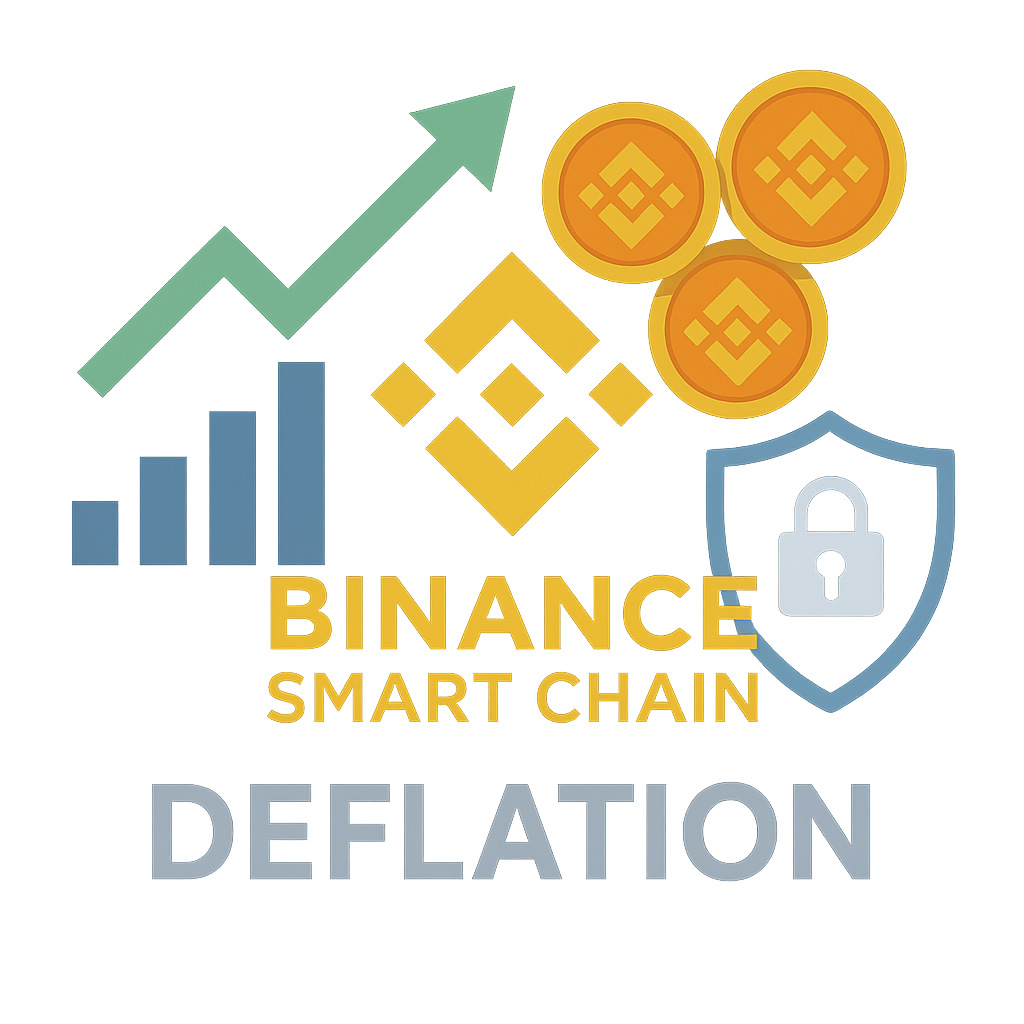
As the landscape of decentralized finance (DeFi) evolves, Robust Token (RBT) has emerged on the Binance Smart Chain (BSC) as a noteworthy player. With its structured approach to limited token supply, deflationary plans, and integrated reward systems, RBT is poised to make significant strides in the DeFi world. Additionally, understanding the defense mechanisms against trading bots and scraping is essential for enhancing the security and efficiency of such digital assets.

Robust Token’s method is distinctive due to its restricted token supply. By capping the number of tokens available, RBT creates scarcity, potentially driving demand and value. This approach diverges from the traditional inflationary token models, where an unlimited supply of tokens might dilute their worth. The deflationary tactics employed by RBT ensure that the token’s value appreciates over time, which is a strategic move aimed at enticing investors seeking long-term profitability.

Moving beyond supply constraints, RBT integrates a deflationary plan where a portion of each transaction is systematically burned. This reduction in circulating supply leads to an inherent value increase for holders, fostering a favorable environment for growth and investment. Such strategies make RBT an attractive option in the competitive DeFi space, where strategic tokenomics play a crucial role in project success.

The reward system further enhances RBT’s appeal. Token holders receive incentives that not only encourage long-term holding but also contribute to community engagement and network stability. These rewards can come in various forms, including staking returns or bonuses, enhancing user experience and loyalty.

Simultaneously, as RBT and other tokens gain popularity, the risk of malicious activities like trading bots and scraping grows. These threats can jeopardize both user data and the operational integrity of the DeFi ecosystem. Therefore, incorporating robust security measures is crucial. For instance, scraping detection tools are instrumental in identifying and mitigating unauthorized data extraction attempts that exploit platform vulnerabilities.

Another layer of security is achieved through device fingerprinting, which authenticates user devices and blocks illegitimate access. Such measures are pivotal in safeguarding inventory and API endpoints, ensuring that the network remains resilient against potential breaches. This proactive approach to security not only protects investors but also instills confidence in the DeFi community.

In conclusion, Robust Token (RBT) on Binance Smart Chain exemplifies how innovative tokenomics, combined with deflationary models and reward systems, can redefine engagement within the DeFi sphere. As digital currencies continue to evolve, maintaining security through solutions like scraping detection and device fingerprinting becomes integral to sustaining trust and operational excellence. RBT’s strategic initiatives thus not only propel its market position but also contribute to the broader narrative of secure, efficient decentralized finance solutions.
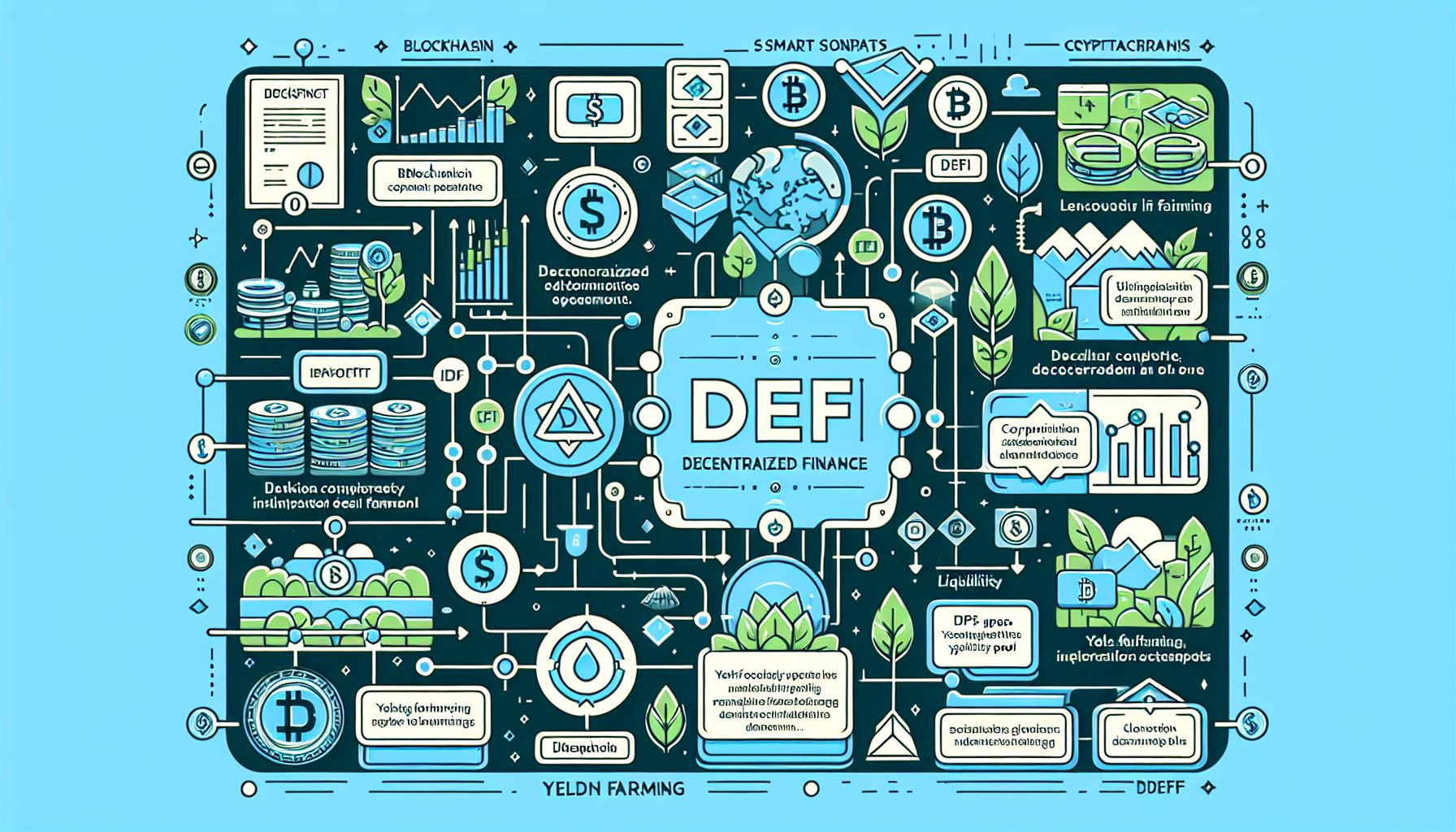
Demystifying the World of DeFi: A Beginner’s Guide

Decentralized finance or DeFi is gradually occupying the forefront of the financial sector, promising to disrupt the traditional space. In this article, let’s dive deep into understanding what it is and how it is changing the face of finance.

What is DeFi?

DeFi, an acronym for Decentralized Finance, depicts a movement that aims at making a new financial system that is open to everyone and doesn’t require intermediaries like banks. Instead, transactions are facilitated through smart contracts on blockchains, most commonly that of Ethereum.

The Evolution and Impact of DeFi

The birth of Bitcoin introduced the world to blockchain, a decentralized peer-to-peer system. However, Ethereum took this foundation and expanded it, allowing developers to write their own programs onto the blockchain, creating the first DApps (Decentralized Applications). Private companies then started creating and issuing their own tokens, launching the Initial Coin Offerings (ICOs) era, a key phase in the evolution of DeFi.

This predominance of DeFi applications in the space has far-reaching implications on the overall financial system. A major advantage is the increased access to financial services. With a smartphone and internet connection, DeFi offers an inclusive platform for those who are traditionally excluded from the financial system.

Potential Risks and Challenges

While DeFi could revolutionize the financial world, it is not without its risks. Due to its nascence, the DeFi space is highly volatile. The lack of standard financial regulation poses potential risks and the threat of financial loss. There are also concerns over bugs in the system and theft from hackers. Therefore, potential users and investors must proceed with caution.

Moving Forward

The future is promising for DeFi, as its disruptive potential is being recognized worldwide. It is poised to bring a new wave of decentralization to the world economy. However, like any other technology, it is imperative to tread with caution and understanding.

To conclude, DeFi is an exciting development within the blockchain sphere and carries the potential to reshape the global financial ecosystem. However, education and caution must accompany its growth. Remember, prudent investing, a central theme in the traditional financial world, should never be neglected in the evolving world of DeFi.

Decoding DeFi: A Deep Dive into Decentralized Finance

Decentralized Finance, popularly referred to as DeFi, is revolutionizing the financial world, with its promise of democratizing finance, eliminating intermediaries, and ensuring full control of one’s assets. In this blog post, we’ll explore what DeFi is, how it works, and the potentials that it promises.

Introduction to DeFi

Decentralized Finance, at its core, pertains to the efforts to create an open-source, permissionless, and transparent financial service ecosystem that operates without the need for a central authority. Users of DeFi applications can engage in borrowing, lending, and trading while maintaining full control of their assets.

How Does DeFi Work?

Rather than relying on intermediaries such as banks, DeFi applications or “DApps” utilize smart contracts on the blockchain, essentially codes that facilitate, verify, and enforce the performance of a contract. These smart contracts automate execution, reducing the reliance on intermediaries, thus lessening the risk of manipulation.

Finance is just the start. The applications of decentralized systems extend to numerous sectors, including insurance, healthcare, supply chains, and many more. DeFi projects like Uniswap, Aave, and MakerDAO have already made substantial strides in the industry, pushing the barriers of what’s possible in finance.

Potential of DeFi

The advent of DeFi could democratize access to finance, much like how the internet democratized access to information. It’s already starting to change the rules of the financial game. Through DeFi, individuals can get loans without having to go through credit checks. They can earn interest on their assets, trade derivatives, and exchange assets without needing a bank account.

However, DeFi isn’t without its risks and challenges. Issues such as erratic price volatility, technological risks linked to smart contracts, and regulatory uncertainty remain. Yet, these are challenges that any nascent industry has to grapple with. With adequate attention and work, it’s likely that progressively, these obstacles will be addressed.

Wrapping Up

DeFi stands as a potent disruptor within the financial industry. It holds the promise to make finance more inclusive, efficient, and transparent. While challenges remain, with the right tweaks and refinements, DeFi could reshape our financial systems fundamentally. In a world where trust in traditional banking and financial systems is eroding, DeFi could very well be the new vanguard.

In the light of its potential, we cannot afford to ignore DeFi. Whether you are a policymaker, an investor, a banker, or an everyday citizen, it’s worth taking the time to understand DeFi – because it could be the future of finance.

Navigating the Exciting World of Decentralized Finance (DeFi)

Decentralized Finance, more commonly referred to as DeFi, is revolutionizing the financial world. A promising offshoot of blockchain technology, DeFi offers financial services beyond traditional banking systems. Delving into the essence of DeFi, let’s explore its implications, opportunities, and challenges.

Defining DeFi: More Than Just a Buzzword

DeFi represents an array of financial applications built on blockchain technology, most notably on Ethereum. At the heart of DeFi lies the axiom of eliminating intermediaries like banks, enabling direct peer-to-peer transactions. Centralization constricts financial systems within the confines of institutions. By leveraging blockchain technology, DeFi repaves pathways, opening endless possibilities for a truly global, open, and interoperable financial system.

DeFi Open Finance: A World of Opportunities

Expounding on the potentials of adopting DeFi further emphasizes its game-changing capabilities. Lending, borrowing, investing, building savings, and insurance have become amazingly accessible through DeFi platforms. Users gain control of their financial transactions, increasing transparency and efficiency whilst minimizing errors and risks.

In particular, smart contracts are an integral aspect of DeFi applications. These self-executives agreements manage and automate financial transactions, mitigating the need for trust among the involved parties.

DeFi Challenges: Room for Growth and Improvement

Like any emerging technology, DeFi is not without its challenges. Its nascent stage opens it to vulnerabilities. Hacking instances have been reported, resulting from loopholes in smart contracts and other risks inherent in DeFi platforms. Moreover, its complexity can be a deterrent to mainstream adoption. User interfaces are often not intuitive, making it daunting for non-technical users to navigate these platforms.

The Future of DeFi: A Roaring Wave on the Horizon

Cognizant of these challenges, the DeFi community is working vigilantly to make these platforms more secure and user-friendly. With continuous advancements and regulatory attention, the inherent risks are likely to diminish over time.

In conclusion, DeFi presents a radical shift from the conventional financial domain, offering a more democratic, transparent, and efficient system. It engages technology to empower people, leveling the playing field for everyone. Like all technologies, it has its hurdles, but with continued improvements, DeFi has the potential to revolutionize how we interact financially.

However, as promising as DeFi appears, it’s important to carefully navigate its terrain. By understanding and weighing the opportunities and risks, one can make an informed decision about what role they want DeFi to play in managing their finances. It’s an exciting era for finance, and DeFi is at the helm of this revolution.

Unlocking Financial Systems: The Evolution of Decentralized Finance (DeFi)

by Digital Nomad


In the swiftly developing world of finance, a new buzzword has recently emerged; DeFi, an acronym for Decentralized Finance. This revolutionary concept is making a global impression and has the potential to reshape our financial systems.

Introduction: Understanding DeFi

Decentralized Finance (DeFi) refers to the shift from traditional, centralized financial systems to peer-to-peer finance enabled by decentralized technologies built on Ethereum. DeFi has evolved enormously over the past few years, with over $6 Billion value locked in its smart contracts today. It aims to create a financial system that’s open to everyone and minimises the need to trust and rely on central authorities.

The Core Principles of DeFi

DeFi leverages key principles of the Ethereum blockchain to increase financial security and transparency, unlock liquidity and growth opportunities, and support an integrated and standardized economic system.

  1. Openness: DeFi applications are open-source, allowing anyone to inspect, verify, and contribute to their development.
  2. Permissionless: DeFi is designed to be accessible to everyone, regardless of their location in the world.
  3. Transparency: Interactions with DeFi products are pseudonymous and transactions are recorded on public blockchains that provide transparency.
  4. Interoperability: DeFi apps are built on public platforms like Ethereum, which allows them to easily interact with each other.

Potential Challenges and Solutions

Despite its significant promise, the DeFi system is not devoid of challenges. Some potential pitfalls include reliance on Ethereum, security and privacy concerns, and potential systemic risk. Ethereum faces scalability issues, although upgrades are in the pipeline to ease this, whilst privacy and security concerns will require ongoing innovations and protocol upgrades. Regulation could also pose a major challenge down the line, although we are yet to see extreme legislative moves against DeFi.

Looking Ahead: The Future of DeFi

In closing, it’s clear to see why DeFi has quickly become a critical topic of conversation in the finance world. The promise of democratizing finance and making it open to everyone is too significant to ignore. True, it comes with challenges, but with continued collaboration and innovation within the Ethereum community, DeFi will continue to evolve, pushing the boundaries of what’s possible within finance.

Deciphering DeFi: Cracking the Code of Decentralized Finance

Decentralized finance, or DeFi, has dramatically risen in prominence in recent years, promising a future where financial applications are open to everyone, free from the restrictions of traditional fiat systems. But what exactly is DeFi and how does it work? Let’s dig deeper into this emerging phenomenon.

Understanding Decentralized Finance

Decentralized finance, or DeFi, refers to the use of blockchain technologies and cryptocurrencies to recreate and improve upon existing financial systems. DeFi applications aim to replace intermediaries – such as banks, lawyers, and insurance providers – with a transparent, open-source and permissionless financial ecosystem. The underlying philosophy behind this is to democratize finance by creating an environment where every individual preserves complete control over their assets.

The Main Components of DeFi

DeFi operates on four basic tenets: Interoperability, Programmability, Accessibility, and Transparency.

Interoperability

DeFi applications are built on public blockchains like Ethereum, enabling interoperability and programmatic interactions between different applications. This feature fosters a highly innovative and complex ecosystem of integrated applications known as Composability in DeFi.

Programmability

One of the most compelling attributes of Defi is its advanced programmability afforded by smart contracts. This complex programmability allows creators to automate financial services, thereby reducing the cost, increasing efficiency, and ensuring seamless transactions.

Accessibility

DeFi stands out due to its open, inclusive ethos. Anyone with an internet connection, regardless of their location or status, can partake in the DeFi ecosystem. It offers financial inclusion by providing banking services to the unbanked or under-banked parts of the global population.

Transparency

Lastly, transparency is a fundamental principle of DeFi, as all transactions are public and verifiable on the blockchain. This provides an unprecedented level of accountability and trust in financial interactions.

Wrapping Up

DeFi holds the potential to revolutionize the financial ecosystem by democratizing access, fostering innovation, and promoting transparency. However, it is not without its hurdles. Issues including user errors, smart contract bugs, hacking risks, and regulatory uncertainty pose significant challenges. As DeFi continues to evolve and mature, it is crucial for participants to uphold and prioritize security and risk management. In the grand unfolding narrative of finance, DeFi could well be the next groundbreaking chapter.

Unlocking Financial Freedom with Decentralized Finance (DeFi)

Decentralized finance, commonly referred to as DeFi, represents an alternative financial system built on blockchain networks. Its revolutionary approach has seen it gain enormous traction in recent years.

An Overview of Decentralized Finance

Decentralized Finance (DeFi) leverages blockchain technology to build financial tools and services in a decentralized, open-source system, which is free from the confines of traditional financial institutions. Empowered by the unyielding promise of blockchain technology, DeFi aims to democratize finance by replacing the current centralized system with peer-to-peer networks that offer more transparency, security, and accessibility.

The Power of DeFi

The primary appeal of DeFi springs from its core functionality, which offer myriad possibilities. From decentralized exchanges (DEXs), lending and borrowing platforms, stablecoins, prediction markets, to wrapped bitcoin (wBTC), the prospects are not only potentially limitless but also equally fascinating.

DeFi has essentially eliminated the need for intermediaries. Transactions are entirely peer-to-peer, thereby significantly reducing costs. Moreover, smart contracts automate and enforce the terms of agreements, leading to a more efficient and secure system.

DeFi’s Edge Over Traditional Financial Systems

In essence, DeFi presents a democratized financial ecosystem, free from the bureaucratic hassles of conventional banking institutions. It doesn’t discriminate or exclude and provides an opportunity for everyone to be a part of an unprecedented financial revolution.

Another significant advantage of DeFi is the remarkable yield it offers to investors. With traditional savings account interest rates at an all-time low, DeFi’s yield farming and liquidity mining offer considerably attractive returns.

Potential Risks to Keep in Mind

While the potential of DeFi is exciting, it’s crucial to remember that it’s a relatively new market with its share of risks. The smart contracts that power DeFi platforms have been vulnerable to hacking in recent history, leading to substantial losses.

Moreover, the absence of regulatory oversight makes DeFi a ripe field for market manipulation and fraud risk. Finally, the complexity of DeFi applications, with their variety of lock-ups, liquidity pools, and token staking options can be daunting for newcomers.

In Conclusion: The Future of Finance?

The world of DeFi is undoubtedly filled with potential – From potentially better yields to more transparency and accessibility. Parallely, there are significant risks highlighting the importance of careful research and understanding.

Albeit young and evolving, DeFi’s revolutionary approach to finance could indeed lay the groundwork for a future where the financial system is more open, transparent, inclusive, and less reliant on intermediaries. As always, the onus lies on individual investors to tread with caution, arm themselves with adequate information, and sensibly navigate the exponential possibilities DeFi presents.

Embracing the Future: The Influential Rise of DeFi

Decentralized finance, popularly known as DeFi, has been making waves in the digital space, completely altering the traditional norms of the financial industry.

Introduction

We live in an era where digital finance is no longer a distant dream but a tangible reality. The financial system landscape is witnessing a seismic shift, credited to the burgeoning realm of DeFi.

What is DeFi?

DeFi, short for Decentralized Finance, promotes a decentralized framework where users can engage in financial transactions without intermediary banking institutions. Rooted in blockchain technology, particularly Ethereum, DeFi replaces the customary financial mediators with smart contracts.

Relevance of DeFi

Banks and other financial institutions, with their age-old protocols, often stunt the velocity of transactions while charging high fees. DeFi apps, known as Dapps, alleviate these issues, enabling users to lend or borrow assets, trade coins, earn interest in savings-like accounts, and much more.

User Empowerment Through DeFi

Empowerment is the heartbeat of DeFi. It has handed the power of control back into the hands of users, enabling them to be masters of their wealth. DeFi permits anyone across the globe with an internet connection to access and influence financial markets.

Leveraging Blockchain in DeFi

Blockchain, as the underlying platform for DeFi, facilitates security, transparency, and immutability – providing a solid foundation for financial transactions. The use of Smart contracts furthers the efficacy and security of the operations, making DeFi a promising fixture in our financial future.

DeFi and the Token Economy

One of the unique aspects of DeFi is its incorporation of token economy. Tokens are digital assets that represent an individual’s investments, which can be traded, sold, or invested. They provide the flexibility of fractional ownership, increasing the reach and inclusiveness of the financial markets.

Conclusion

DeFi is undeniably one of the most significant innovations of our time. It holds the potential to trigger a new financial revolution, democratizing finance in ways that were unimaginable just a decade ago. However, like any innovation, it comes with its challenges, and how they are tackled will determine the trajectory of DeFi. Hence, as we transition into this new era of financial liberations, it is crucial to educate ourselves, understand the implications, and tread wisely in the world of DeFi.

**Title: Unraveling the Enigma: A Deep Dive into Decentralized Finance (DeFi)**

Introduction

Decentralized Finance, or DeFi, has stormed onto the funding scene, promising disruption and innovation in a traditionally opaque and bureaucratic industry. Yet, what does it truly entail? Today, we bring you a comprehensive look at this groundbreaking field.

Body

Defining DeFi – Breaking Down the Basics

DeFi, short for Decentralized Finance, refers to financial applications built on blockchain technologies, predominantly Ethereum. With no need for intermediaries, DeFi provides peer-to-peer agreements and fosters transparent, secure, and fast transactions.

DeFi versus Traditional Finance – The Key Differences

Traditional financial systems have dominated for centuries. However, they can be slow, unreliable and heavily dependent on intermediaries, like banks or law firms. In contrast, DeFi epitomizes financial democratization. It eliminates the need for intermediaries; instead, it establishes trust via programmable contracts that automate transactions, known as smart contracts.

DeFi Ecosystem Components – A Closer Look

DeFi is sweeping due to the variety of services it provides. The ecosystem comprises lending and borrowing platforms, decentralized exchanges (DEXs), prediction markets, stablecoins, and tokenization platforms. Furthermore, it introduces innovative concepts: yield farming and liquidity mining make DeFi investing lucrative for many.

Potential Benefits and Challenges of DeFi

DeFi holds vast potential. It promises access to the vast unbanked population and offers high returns, decentralized governance, and transparency. Yet, it’s not without its challenges. Smart contract vulnerabilities, high gas fees, and scalability issues pose significant hurdles.

Summary

Revolutionizing traditional financial mechanics, DeFi holds the power to democratize finance and level the playing field. While it currently faces challenges, the industry is tirelessly working on solutions to mitigate these issues.

As we continue to observe DeFi’s evolution, it’s exciting to envision a world where everyone has access to a decentralized, open financial system, free from the shackles of traditional bureaucracy and red tape.

Decentralized Finance (DeFi) brings us one step closer to this dream, and while it holds many challenges, with every hurdle crossed, it only becomes more entrenched in our financial future. Stay attuned for more updates in this exhilarating, fast-developing domain!

#Lofty Gains and Future Potential: A Deeper Walk through Decentralized Finance (DeFi)

In recent years, an innovative global financial system has rapidly emerged, operating independently of traditional banking infrastructures and sovereign currencies. This system, known as Decentralized Finance or DeFi, has continued to trigger waves across the crypto world, and beyond. It is time to unpack the mysteries that lie behind DeFi, as we delve into its potential and the opportunities it holds.

An Introduction to Decentralized Finance

DeFi is the movement that leverages open-source software and decentralized networks to transform traditional financial products into trustless and transparent protocols. It runs on blockchain technology, primarily Ethereum. Blockchain engineering has made it possible for anyone with a smartphone and an internet connection to access financial services. DeFi extends the promise of blockchain by building a fully transparent financial system that is inclusive, permissionless and highly interoperable.

Understanding DeFi and its Impact

DeFi is helping to democratize financial services, a sector typically monopolized by big banks and financial institutions. It’s offering a completely new financial landscape where everyone has access to services currently exclusive to a few. DeFi platforms allow users to borrow, lend, trade, insure assets, and earn yields all in a decentralized way.

Moreover, the DeFi ecosystem has dramatically expanded in recent years, with the total value locked (TVL) in DeFi protocols experiencing unprecedented growth. These advancements are indicative of the trust that the community is placing in the DeFi system and the potential it holds.

The Potential and Risks

DeFi undoubtedly holds substantial potential for the development of an inclusive financial system. It’s opening up economic systems and financial inclusion to large sections of the world’s population who are currently ‘unbanked’.

However, like any disruptive technology, DeFi also carries risks. The ecosystem is still maturing, and it’s characterized with high volatility, technological risk, and regulatory uncertainty. But, as the industry evolves and matures, these challenges could potentially be addressed.

Summary

Decentralized Finance (DeFi) is arguably one of the most noteworthy uses of blockchain technology today. Its rapid growth and the potential it brings to democratize access to finance can no longer be overlooked, despite the risks and challenges. As we continue to ride on the wave of these dynamic changes, it’s clear that the future of finance will be decentralized and digital, and for many, that future has already arrived.