
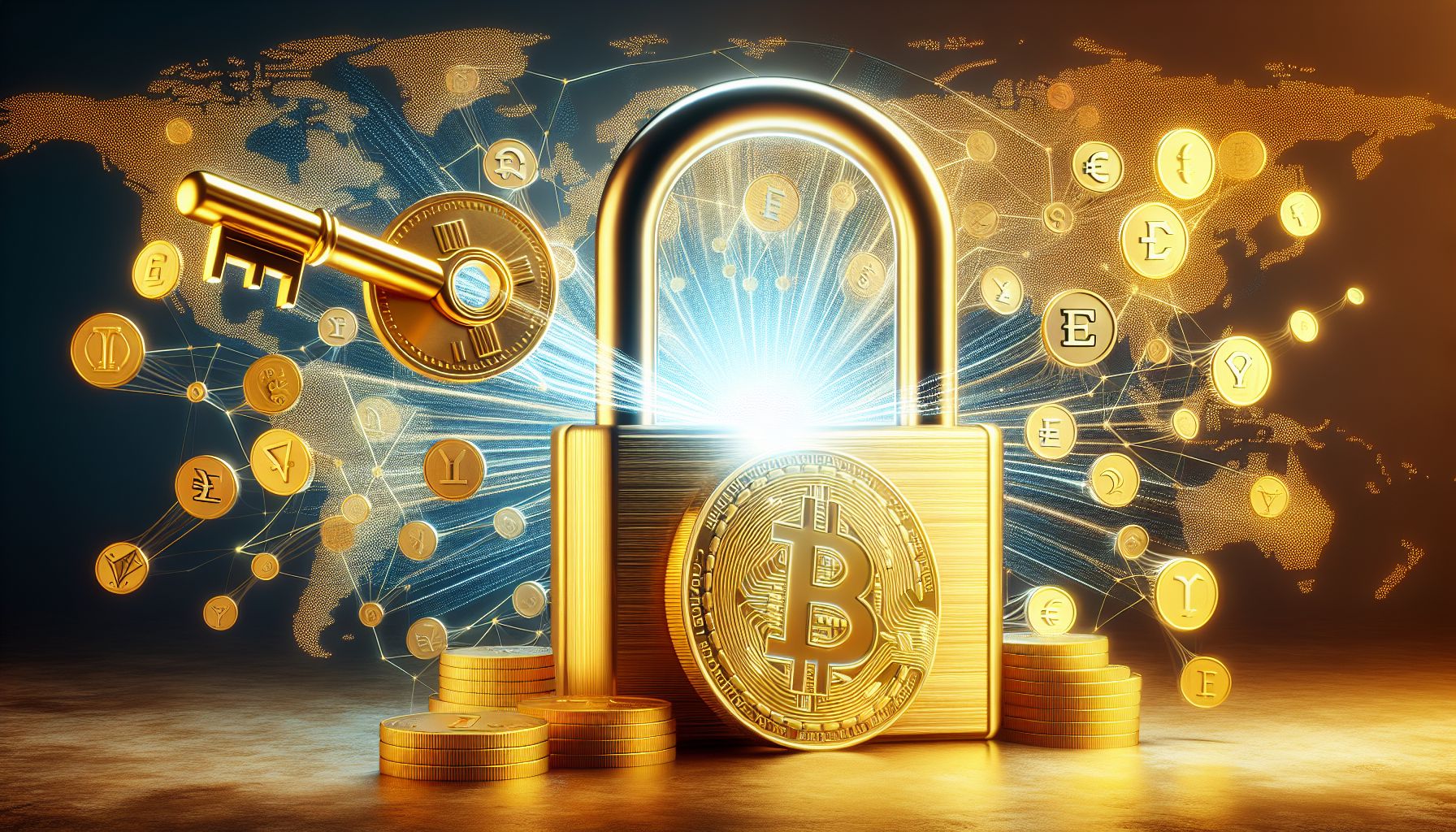
Unlocking Financial Freedom with Decentralized Finance (DeFi)
Decentralized finance, commonly referred to as DeFi, represents an alternative financial system built on blockchain networks. Its revolutionary approach has seen it gain enormous traction in recent years.
An Overview of Decentralized Finance
Decentralized Finance (DeFi) leverages blockchain technology to build financial tools and services in a decentralized, open-source system, which is free from the confines of traditional financial institutions. Empowered by the unyielding promise of blockchain technology, DeFi aims to democratize finance by replacing the current centralized system with peer-to-peer networks that offer more transparency, security, and accessibility.
The Power of DeFi
The primary appeal of DeFi springs from its core functionality, which offer myriad possibilities. From decentralized exchanges (DEXs), lending and borrowing platforms, stablecoins, prediction markets, to wrapped bitcoin (wBTC), the prospects are not only potentially limitless but also equally fascinating.
DeFi has essentially eliminated the need for intermediaries. Transactions are entirely peer-to-peer, thereby significantly reducing costs. Moreover, smart contracts automate and enforce the terms of agreements, leading to a more efficient and secure system.
DeFi’s Edge Over Traditional Financial Systems
In essence, DeFi presents a democratized financial ecosystem, free from the bureaucratic hassles of conventional banking institutions. It doesn’t discriminate or exclude and provides an opportunity for everyone to be a part of an unprecedented financial revolution.
Another significant advantage of DeFi is the remarkable yield it offers to investors. With traditional savings account interest rates at an all-time low, DeFi’s yield farming and liquidity mining offer considerably attractive returns.
Potential Risks to Keep in Mind
While the potential of DeFi is exciting, it’s crucial to remember that it’s a relatively new market with its share of risks. The smart contracts that power DeFi platforms have been vulnerable to hacking in recent history, leading to substantial losses.
Moreover, the absence of regulatory oversight makes DeFi a ripe field for market manipulation and fraud risk. Finally, the complexity of DeFi applications, with their variety of lock-ups, liquidity pools, and token staking options can be daunting for newcomers.
In Conclusion: The Future of Finance?
The world of DeFi is undoubtedly filled with potential – From potentially better yields to more transparency and accessibility. Parallely, there are significant risks highlighting the importance of careful research and understanding.
Albeit young and evolving, DeFi’s revolutionary approach to finance could indeed lay the groundwork for a future where the financial system is more open, transparent, inclusive, and less reliant on intermediaries. As always, the onus lies on individual investors to tread with caution, arm themselves with adequate information, and sensibly navigate the exponential possibilities DeFi presents.