Category Archive : Blog

Exploring the Potential of DeFi: An Introduction to Decentralized Finance

The financial world is on the brink of a revolution that’s set to redefine how we understand and interact with money, markets, and investments: welcome to the era of Decentralized Finance, or DeFi. With its promise of an open, inclusive, and accessible financial system, DeFi is gaining traction and capturing imaginations across the globe.

The Rise of DeFi

Decentralized Finance leverages blockchain technology to remove intermediaries from financial transactions. This innovation represents a shift away from traditional, centralized financial systems towards a distributed and transparent ecosystem where individuals have complete control over their assets.

At the heart of DeFi are smart contracts—self-executing contracts with the terms of the agreement directly written into code. These contracts run on decentralized platforms, primarily Ethereum, and enable a wide array of financial services such as lending, borrowing, trading, insurance, and more without the need for a central authority.

Beneath the Surface: How DeFi Challenges Traditional Finance

DeFi platforms have introduced novel financial instruments that challenge traditional banking and investment models. Protocols like MakerDAO, Compound, and Aave allow users to lend or borrow funds and earn interest or pay interest rates that are typically more competitive than traditional banks. Additionally, DeFi has given rise to new forms of asset management, such as yield farming and liquidity mining, where users can earn returns by providing liquidity to different platforms.

Another significant aspect of DeFi is the creation of synthetic assets and derivatives, which replicate the value of real-world assets on the blockchain. This innovation has the potential to bring greater democratization to investment opportunities by offering exposure to a variety of assets that might otherwise be inaccessible.

The Future Landscape of DeFi

Despite its rapid growth, DeFi is not without challenges. Scaling issues, smart contract vulnerabilities, and concerns around regulation loom large. However, the DeFi space is evolving quickly, with developments in layer-2 solutions and new blockchains offering scalability and reduced fees.

As we move forward, the DeFi ecosystem will likely integrate more closely with traditional finance, blurring the lines between centralized and decentralized financial services. With its capacity to offer greater inclusivity, efficiency, and innovation, DeFi’s potential is vast, and its impact on the future of finance should not be underestimated.

In summary, Decentralized Finance represents a seismic shift in the world of finance. It’s a transformative movement that replaces longstanding intermediaries with peer-to-peer networks that are open, inclusive, and resilient. While still in its infancy, DeFi already showcases a future where financial empowerment is accessible to all, a future that’s not only imaginable but increasingly within our grasp.


Unraveling the Potential of Decentralized Finance (DeFi)

The financial landscape is undergoing a revolutionary change, one block at a time. Decentralized Finance, or DeFi, is the bold new frontier offering a universe of financial services without the need for traditional banks or intermediaries. This movement leverages blockchain technology to democratize finance and give greater access and control to the end-user.

Introduction

The world of traditional finance is characterized by centralized institutions that commandeer the rules and processes of how money is borrowed, spent, and saved. However, DeFi is poised to disrupt this system by leveraging blockchain technology to create an open, accessible, and transparent financial ecosystem. At its heart, DeFi promises to give power back to the people, enabling everyone to access financial services on equal footing.

Body

DeFi encompasses a wide array of financial applications built on blockchain, primarily Ethereum. These include lending platforms, stablecoins, decentralized exchanges (DEXs), and more complex financial instruments like synthetic assets and yield farming. By employing smart contracts, DeFi platforms provide a peer-to-peer network where transactions and agreements can be automatically executed, governed solely by code without human intervention.

One of the flagship elements of DeFi is its lending platforms, such as Compound or Aave. These platforms allow users to lend or borrow cryptocurrencies without a bank, with interest rates determined by algorithms based on supply and demand. Another cornerstone of DeFi are stablecoins, digital currencies pegged to stable assets like the US dollar, which offer a haven from the notorious volatility of cryptocurrencies.

Decentralized exchanges are another vital piece of DeFi, permitting users to trade cryptocurrencies without an intermediary. This not only ensures lower fees and more privacy but also prevents the risk of exchange hacks—since funds are never held by the exchange itself.

Despite its numerous benefits, DeFi is not without challenges. It operates in a regulatory grey area, faces scalability issues, and is susceptible to smart contract vulnerabilities. However, as the technology matures, these challenges present opportunities for improvement and innovation.

Summary

Decentralized Finance is quickly becoming the spearhead of a financial revolution. By removing intermediaries, DeFi offers increased security, accessibility, and flexibility, paving the way for a more inclusive financial system. As it continues to evolve, DeFi stands to reshape the very fabric of global finance, offering an enticing glimpse into a future where financial empowerment is available to all. The potential of DeFi is only just beginning to unfold, and its journey will be one to watch.

Unveiling the Potential of Decentralized Finance: A Dive into DeFi

The realm of finance has witnessed revolutionary changes with the emergence of blockchain technology, and one of its most groundbreaking innovations is Decentralized Finance, commonly known as DeFi. This novel financial ecosystem operates without the traditional centralized intermediaries, such as banks, offering a plethora of financial services directly on the blockchain.

Introduction

DeFi has risen to prominence as an ecosystem where users can borrow, lend, trade, invest, and more, all without the interference of traditional financial institutions. By utilizing smart contracts on blockchain networks like Ethereum, DeFi platforms offer a more accessible, efficient, and inclusive financial system. In this post, we will delve into the intricacies of DeFi and explore how it is reshaping the conventional financial landscape.

Body

DeFi constitutes a myriad of financial services such as lending platforms, decentralized exchanges (DEXs), yield farming protocols, and stablecoins. Users partaking in the DeFi space can readily engage in financial transactions that are transparent, permissionless, and trustless, thanks to the underlying blockchain technology.

One of the most popular applications of DeFi is lending and borrowing platforms where users can lend their cryptocurrencies to others and earn interest, or borrow from others by providing collateral. This process is facilitated through smart contracts that automatically execute the terms without the need for a middleman.

Decentralized exchanges (DEXs) are another cornerstone of DeFi, allowing users to trade cryptocurrencies without an intermediary. Unlike traditional exchanges, DEXs do not hold users’ funds, thus reducing the risk of theft and increasing transparency.

Yield farming, a term familiar to DeFi enthusiasts, refers to the process of staking or lending crypto assets in order to generate high returns or rewards in the form of additional cryptocurrency. This innovative practice has attracted substantial capital inflow into the DeFi sector, contributing to its remarkable growth.

Stablecoins also play a substantial role in DeFi, providing a less volatile means of transaction. They are pegged to traditional assets like the US dollar, gold, or other cryptocurrencies, offering price stability amidst the highly volatile crypto markets.

Summary

DeFi is undeniably transforming the financial sector by providing alternative financial services that are more open, interoperable, and flexible than ever before. Its potential to reshape finance lies in the ability to create a truly inclusive financial system that operates globally, 24/7, and without the need for conventional banking systems or intermediaries. However, with its nascent state, challenges such as regulatory uncertainties, scalability issues, and security concerns remain. Nonetheless, as the DeFi space continues to evolve and mature, it promises to redefine our interaction with financial services, paving the way for a more democratized and accessible financial future.

Demystifying DeFi: The Dawn of Decentralized Finance

The financial world is witnessing a transformative era with the emergence of Decentralized Finance, popularly known as DeFi. This uprising is challenging the conventional financial ecosystem by leveraging blockchain technology to enable financial transactions without traditional intermediaries. In this blog post, we’ll delve into the foundations, the promises, and the potential hurdles of DeFi, providing you with a clearer picture of this financial revolution.

Introduction

Traditional finance is centralized, with banks, government bodies, and other financial institutions acting as the trusted authorities. DeFi, on the other hand, operates on a blockchain network, ensuring that transactions remain secure, transparent, and immutable. By using smart contracts—self-executing contracts with the terms of the agreement directly written into code—DeFi platforms offer an array of financial services including lending, borrowing, trading, investment, and more, all without the need for a central authority.

The Body of DeFi

One of the cornerstone advantages of DeFi is the accessibility it provides. Anyone with an internet connection can access these financial services, bypassing the restrictions and limitations of the traditional financial sector. This inclusivity can be a game-changer for the unbanked or underbanked populations of the world.

Another significant aspect of DeFi is the potential for higher yields compared to traditional savings accounts or investments. DeFi platforms often offer more competitive returns on assets due to the minimized overhead costs and the bypassing of middlemen.

DeFi also promotes transparency. Since the system is built on blockchain, every transaction is recorded on a public ledger, making it possible for anyone to inspect and audit the financial trails.

However, DeFi is not without its challenges. One of the major concerns is security. Since the system is relatively new, smart contracts and protocols could have vulnerabilities that hackers could exploit. There have been cases of DeFi platforms falling victim to such cyber attacks.

Moreover, the regulatory landscape for DeFi is still unclear. While its decentralized nature resists traditional forms of regulation, governments around the world are exploring ways to ensure consumer protection and prevent illicit activities without stifling innovation.

Summary

DeFi has the potential to reshape the landscape of finance, promoting financial inclusivity, transparency, and efficiency. However, understanding this novel ecosystem comes with acknowledging its complexities and risks. As the space matures and solutions to existing challenges are developed, DeFi may well be on its way to becoming a fundamental part of our financial infrastructure. It’s an exciting time to be following these developments, as DeFi continues to evolve and challenge the status quo of finance.

Unraveling the Mysteries of DeFi: Yield Farming Explained

Decentralized Finance, or DeFi, has become a buzzword in the financial world for its potential to reshape banking, lending, and trading by utilizing blockchain technology. At the heart of this innovative ecosystem lies a practice known as “yield farming,” which has piqued the interest of investors looking to maximize their returns. Let’s delve into the concept of yield farming, how it works, and what risks and benefits it brings to the world of DeFi.

Introduction

Yield farming, sometimes referred to as liquidity mining, is a cornerstone practice within DeFi that allows cryptocurrency holders to earn passive income through their assets. By providing liquidity to a DeFi protocol, users can earn rewards in the form of transaction fees or governance tokens. This has quickly become one of the most popular ways to generate earnings on digital assets beyond conventional buy-and-hold strategies.

Body

Yield farming operates on the fundamental principle of liquidity provision. In DeFi, many exchanges operate without an order book and rely on liquidity pools instead. Users, known as liquidity providers (LPs), lock their funds into these pools and, in return, receive liquidity tokens or yield. The reward can be a share of the trading fees or newly minted tokens, incentivizing the continued provision of liquidity.

The return on investment (ROI) in yield farming is often expressed as an annualized percentage yield (APY), which can fluctuate based on the level of trading activity, token prices, and the total value locked (TVL) in the protocol. Yield farmers typically chase the pools offering the highest APYs, constantly reallocating their assets to maximize returns.

The complexities of yield farming include various strategies such as staking in single asset pools, providing two or more tokens in a balanced pool, or even participating in more sophisticated schemes like leveraged yield farming and liquidity mining in multi-layered DeFi ecosystems.

However, yield farming is not without its risks. The volatile nature of cryptocurrencies can lead to impermanent loss, a situation where the value of locked tokens diverges unfavorably from their market price. Additionally, the nascent DeFi space is subject to smart contract vulnerabilities, platform risks, and regulatory uncertainty.

Summary

In summation, yield farming is a dynamic and potentially lucrative element of DeFi that allows cryptocurrency owners to leverage their holdings for passive income. While the prospect of high yields is alluring, it’s important for potential yield farmers to thoroughly understand the mechanisms and risks involved. Like all burgeoning financial practices, due diligence, risk management, and a cautious approach remain the best policies for navigating the fertile yet unpredictable landscape of yield farming.

Exploring the Frontier of Finance: The Rise of DeFi

Introduction:

In the ever-evolving landscape of finance, a new frontier has emerged, drastically altering our perception of money, investments, and banking. This new horizon is Decentralized Finance, fondly known as DeFi. It’s a revolutionary wave that is reshaping the financial world, using blockchain technology to democratize finance by eliminating intermediaries and granting users complete control over their assets.

Body:

DeFi stands on the foundational principles of accessibility, transparency, and inclusivity. It takes traditional financial systems and decentralizes them, running them on a blockchain, which means there’s no need for a central authority like a bank or government to oversee transactions. DeFi platforms allow users to lend or borrow funds, trade cryptocurrencies, insure against risks, and earn interest in savings-like accounts without the need for a middleman.

One of the core components of DeFi is smart contracts. These are self-executing contracts where the terms of the agreement between buyer and seller are directly written into lines of code. These contracts run on blockchain networks, primarily Ethereum, and ensure that all transactions are transparent and immutable. Smart contracts automate operations in DeFi, ensuring speed, accuracy, and security that traditional financial systems can’t match.

However, with great innovation comes significant risk. DeFi’s booming growth isn’t without challenges. The most pressing concerns include smart contract vulnerabilities, lack of regulation, and high volatility. Users are encouraged to thoroughly research and understand the risks before diving into DeFi.

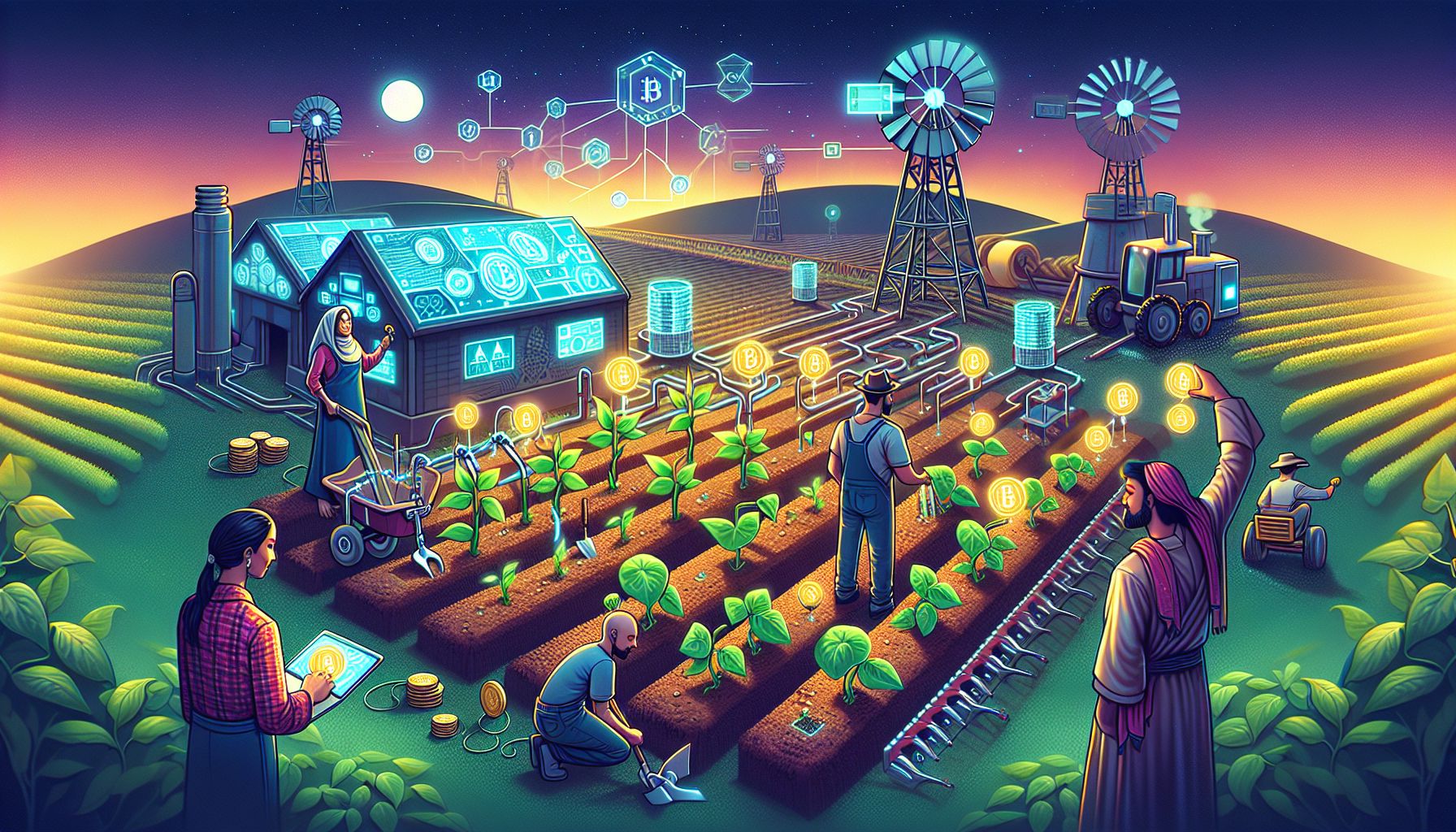
Another promising aspect of DeFi is yield farming, a process where users can earn rewards—often in the form of cryptocurrency—by lending their assets to others through the magic of smart contracts. It’s comparable to earning interest in a savings account but typically with higher returns.

Tokenization also plays a crucial role, allowing real-world assets to be represented digitally, further opening the doors for all kinds of investors to participate in markets previously out of reach.

Summary:

The DeFi ecosystem is bustling with innovation, offering an alternative to every service found in the traditional financial system but built on transparent, efficient, and accessible technology. It holds the promise of financial inclusion and empowerment, making it possible for anyone with an internet connection to access a full spectrum of financial services. As the technology matures and more safeguards are implemented, DeFi stands to become an indispensable element of our global financial framework. As with any financial decision, it is crucial to perform due diligence and consider the risks and benefits carefully. The frontier of finance is here, and it’s called DeFi—daring, decentralized, and potentially disruptive.

Unveiling the Potential of Decentralized Finance: A New Frontier

The financial world is witnessing a transformative era with the advent of decentralized finance (DeFi)—a term that is becoming increasingly familiar to investors and enthusiasts alike. DeFi is reshaping how people think about money and investments, promising more autonomy, improved security, and global access. This revolutionary financial ecosystem operates independently of traditional banking structures, offering an array of services through blockchain technology.

Introduction

Traditional financial systems have dictated the ebb and flow of economic activity for centuries. However, the DeFi movement seeks to upend this long-standing order with its peer-to-peer financial services that run on transparent and secure blockchain networks. By putting the power back into the hands of the users, DeFi creates a world where anyone with an internet connection can access a full spectrum of financial services without the need for intermediaries like banks or brokers.

The Allure of DeFi

One of the key attractions of DeFi is its penchant for innovation. It facilitates complex financial transactions such as lending, borrowing, and earning interest across a swath of cryptocurrencies. Access to these decentralized applications (dApps) is unrestricted, offering equal opportunities to anyone, anywhere. Moreover, the open-source nature of DeFi platforms fosters an environment of continuous improvement and customization.

Smart contracts, an integral component of DeFi, execute transactions automatically when certain conditions are met, eliminating the need for trust between parties. This characteristic of DeFi platforms greatly reduces the potential for fraud and corruption, making financial dealings more secure.

DeFi’s potential is vast, covering areas such as asset management, insurance, and prediction markets. The tokenization of real-world assets, for example, allows users to transact fractions of assets, thereby enabling participation in markets that were once exclusive.

Challenges and Considerations

Despite its allure, DeFi is not without its challenges. The nascent industry faces issues of scalability, interoperability, and regulatory uncertainty. Smart contract vulnerabilities have also resulted in significant losses, highlighting the need for rigorous auditing and security standards.

Summary

Decentralized finance is at the forefront of a financial revolution. By offering more control, transparency, and access to financial services, it has the potential to democratize finance on a global scale. However, for DeFi to reach its full potential, the community must address the inherent challenges and work collaboratively to ensure its safety, scalability, and regulatory compliance. The journey ahead is one of both excitement and caution, as DeFi paves the way for an inclusive and innovative financial future.

Unveiling DeFi’s Potential: Empowering Financial Freedom

The emergence of Decentralized Finance (DeFi) has taken the financial world by storm, offering a more open, inclusive, and transparent alternative to traditional banking systems. Through the power of blockchain technology, DeFi has begun reshaping how individuals interact with financial services, paving the way for a new era of economic empowerment.

Introduction

For decades, traditional financial systems have been the gatekeepers of money, credit, and investment opportunities. However, DeFi is challenging this centralized paradigm by deploying smart contracts on blockchain networks, which execute financial transactions and agreements automatically and securely without the need for traditional intermediaries. DeFi promises to democratize finance, granting access to anyone with an internet connection.

Body

DeFi’s ecosystem brims with innovative applications. It encompasses lending platforms, decentralized exchanges (DEXs), stablecoins, yield farming, and more. Platforms like Uniswap and Compound represent the tip of the iceberg, offering users the ability to swap assets and earn interest without involving banks or brokers.

One of the most significant advantages of DeFi is its potential to provide financial services to the unbanked or underbanked populations worldwide. DeFi does not discriminate based on geography or social status; it only requires a digital wallet and some cryptocurrency to get started.

Moreover, the transparency inherently built into blockchain technology allows for unprecedented visibility into transactions and smart contract operations, ostensibly reducing fraud and increasing security. The immutability of blockchain ensures that once a transaction is recorded, it cannot be altered, providing a powerful layer of accountability and trust that traditional finance struggles to match.

However, DeFi is not without its challenges. The nascent ecosystem still grapples with high volatility, hack vulnerabilities, and regulatory uncertainty. Users must be diligent, educate themselves, and understand the risks before diving into DeFi investments.

Summary

Decentralized Finance is more than a passing trend; it’s a movement that offers a compelling vision for the future. It represents a shift from centralized control to individual empowerment, from opacity to transparency, and from gatekeeping to universal access. While the ecosystem is continuously evolving and faces its set of challenges, the potential for DeFi to revolutionize the financial landscape is undeniable. As the world becomes more interconnected, DeFi stands as a testament to the power of innovation, equity, and the enduring human spirit to overcome economic barriers.

Unraveling Decentralized Finance: The Path to Financial Empowerment in DeFi

The world of finance has been revolutionized by the advent of blockchain technology, which has paved the way for the emergence of decentralized finance, or DeFi. DeFi refers to a financial ecosystem that operates without the traditional centralized intermediaries, such as banks or brokers, using blockchain to allow for peer-to-peer transactions. In this blog, we delve into the transformative power of DeFi and how it promises a more inclusive financial framework for everyone.

Introduction to the DeFi Revolution

Decentralized Finance has emerged as a transformative force challenging the conventional financial systems. By leveraging blockchain technology, DeFi platforms enable users to borrow, lend, trade, invest, and secure their assets through a transparent and permissionless system. It promises to put financial control back into the hands of the users by removing intermediaries and their associated costs.

How DeFi is Changing the Financial Landscape

At the core of DeFi’s allure is the ability for individuals to interact directly with financial markets. Smart contracts, which are self-executing contracts with the terms of the agreement directly written into code, have replaced the need for traditional middlemen. This innovation has led to the creation of a variety of financial services:

  • Lending and Borrowing: Platforms like Aave and Compound allow users to lend their cryptocurrency and earn interest or borrow against their crypto holdings.
  • Decentralized Exchanges (DEXs): Trade tokens directly with others on exchanges like Uniswap or Sushiswap without the need for a central authority.
  • Yield Farming and Liquidity Mining: Users can provide liquidity to DeFi platforms and earn rewards in return.
  • Insurance: Projects like Nexus Mutual offer decentralized insurance against smart contract failures.
  • Asset Management: DeFi is not just about cryptocurrencies. Platforms like MakerDAO allow the creation of stablecoins, while Synthetix enables the creation of synthetic assets tied to real-world commodities.

The Potential and Challenges Ahead

DeFi certainly has the potential to democratize finance, offering access to those previously excluded from the financial system, and reducing fees through the absence of traditional financial institutions. However, it also faces significant challenges, including regulatory hurdles, scalability issues, and smart contract vulnerabilities.

In Conclusion

The future of DeFi shines bright with the promise of financial empowerment. By enabling secure, transparent, and accessible financial services, DeFi stands as a beacon of innovation in the financial sector. It’s still early days for this young industry, but as technology matures and the ecosystem evolves, we may be heading towards a future where financial services are more equitable and personal control over one’s finances is the norm.

As DeFi continues to grow, it remains crucial for users to educate themselves and understand the risks involved, while policymakers need to consider how to protect consumers while fostering innovation. The marriage of technology and finance in DeFi is not without its challenges, but its potential is too significant to ignore.

Unveiling the Power of Decentralized Finance: An Introduction to DeFi

Decentralized finance, commonly known as DeFi, has been a buzzword in the financial and technology worlds for some time now. But what exactly is DeFi and why is it gaining so much attention? In this blog post, we will delve into the transformative journey of DeFi that is set to redefine the traditional banking system.

Introduction

The financial landscape is undergoing a revolutionary change with the advent of DeFi. It extends the blockchain’s use case beyond simple asset transfer to complex financial applications. DeFi leapfrogs the conventional financial system by offering services that are open, global, and interconnected, yet more importantly, without the need for traditional financial intermediaries.

Body

DeFi stands on the foundational principle of decentralization. Built on blockchain technology, specifically Ethereum in many cases, DeFi applications, or “DApps,” provide financial services using smart contracts – self-executing contracts with the terms directly written into code.

These DApps offer services ranging from lending and borrowing platforms to complex financial instruments such as decentralized exchanges (DEXs), liquidity pools, and yield farming mechanisms. Users can earn interest, take out loans, trade cryptocurrencies, and engage in a plethora of other financial activities without the need for a bank or other third-party intermediary.

One of the key attractions of DeFi is its open-access nature. Anyone with an internet connection and a digital wallet can interact with DeFi platforms, making financial services more inclusive, especially for those in unbanked or underbanked regions.

Additionally, DeFi promises improved security and privacy, as the lack of centralized authority reduces the risk of systemic failures and security breaches. However, it’s important to note that while there are reduced risks in some areas, DeFi also brings its own set of risks and challenges, including smart contract vulnerabilities and market volatility.

Summary

DeFi is reshaping the way we think about financial services. By leveraging blockchain technology, DeFi enables a transparent, open, and secure system that operates without central authorities. The potential for growth in this sector is significant, but it is still at a nascent stage, with regulatory and developmental hurdles to overcome.

Despite these challenges, the promise of an accessible, efficient, and democratized financial system is too compelling to ignore. As the DeFi space continues to evolve, it might well represent the next frontier in the financial sector’s continuous quest for innovation and accessibility. Keep an eye on DeFi; it might just be the future of finance.