
Demystifying Decentralized Finance (DeFi): A Comprehensive Overview
Decentralized Finance, commonly referred to as DeFi, has become a trending topic in the financial and technology sectors. This burgeoning industry strives to democratize access to financial services using blockchain technology. The attention surrounding DeFi is hard to ignore, making it crucial to comprehend its components and influence on the financial landscape.
Introduction to DeFi
Decentralized Finance represents the merger of traditional banking services with blockchain technology. It aims to make financial services more accessible, transparent, and immutable, bypassing middlemen such as banks or financial institutions within the process. Rooted in the principles of blockchain and cryptocurrencies, DeFi has redefined how we perceive and interact with financial systems.
Core Components of DeFi
Smart Contracts and DApps
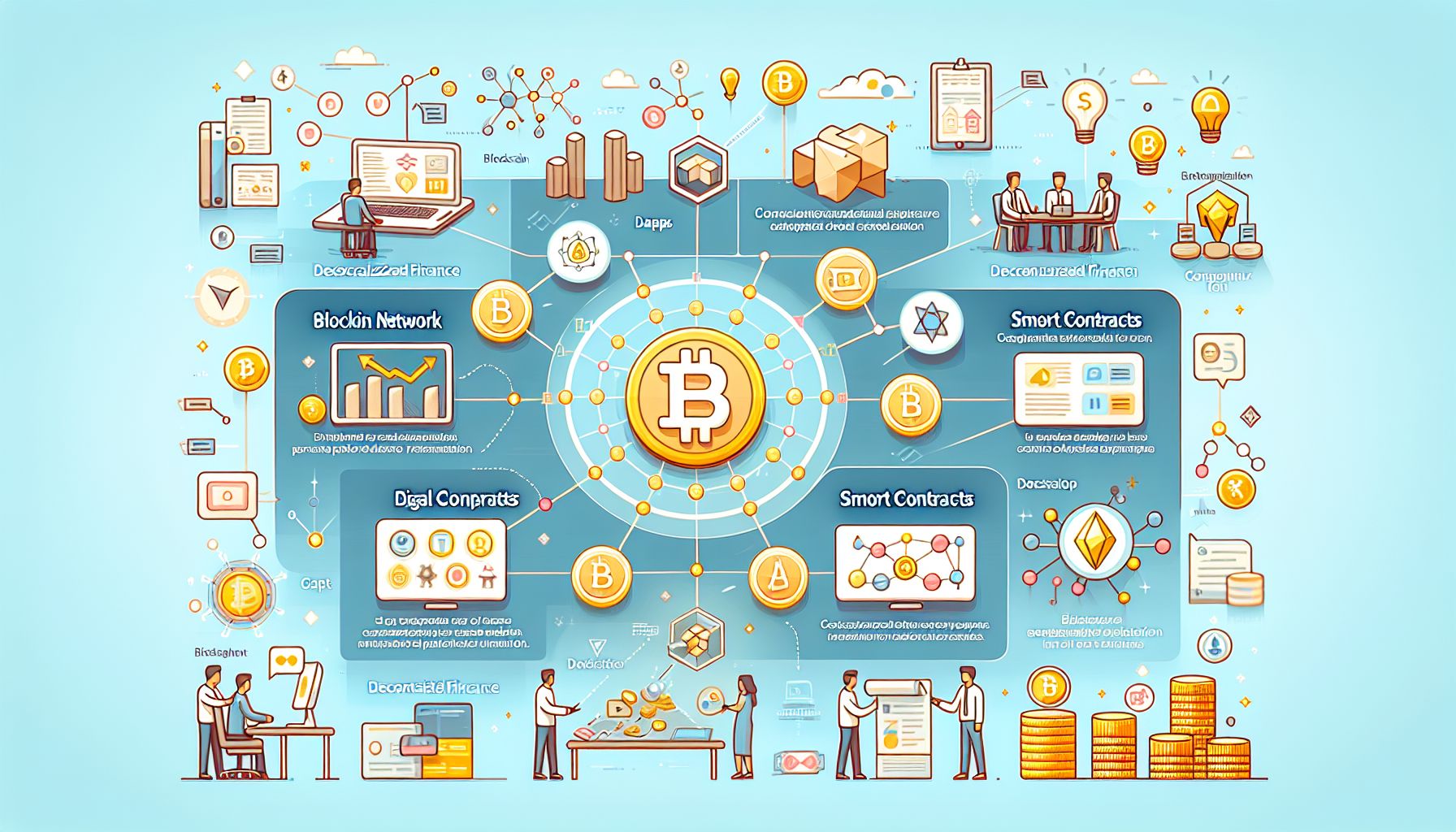
The backbone of DeFi is smart contracts, programmable codes running on the blockchain that facilitate and verify transactions among parties. These contracts serve as the foundation for Decentralized Applications (DApps) which offer services like lending and borrowing, asset swapping, yield farming, and insurance.
Governance Tokens
Another significant component in the DeFi ecosystem is Governance tokens. These tokens give holders the power to influence the development direction of the DeFi project, making them active participants in the platform’s decision-making process.
Liquidity Pools
Liquidity pools are the heart of various DeFi services, particularly in Decentralized Exchanges (DEXs). They consist of a reservoir of tokens locked into a smart contract, providing liquidity for transactions.
Advantages and Challenges of DeFi
DeFi brings about immense freedoms by facilitating universal access to financial services, enhancing transparency and eliminating intermediaries. However, the more significant potential of DeFi also implies larger risks given the market’s immaturity. Technical exploits and fraudulent activities have surfaced as challenges confronting the DeFi space.
Wrapping Up
In conclusion, Decentralized Finance (DeFi) is an emerging paradigm that holds the promise of democratizing access to financial services. While it carries unique advantages, the nascent industry also abounds with challenges. As we navigate into this exciting territory, it becomes essential to understand the fundamentals, dynamics, and significant components of DeFi. The promise and potential are fascinating, yet as participants, we must tread the path with enlightening knowledge and cautious excitement.
Undoubtedly, DeFi has initiated a financial revolution, further strengthening the bridge between traditional finance and the digital ecosystem. The key lies in continuous learning and adapting to the zeitgeist of this groundbreaking innovation.