
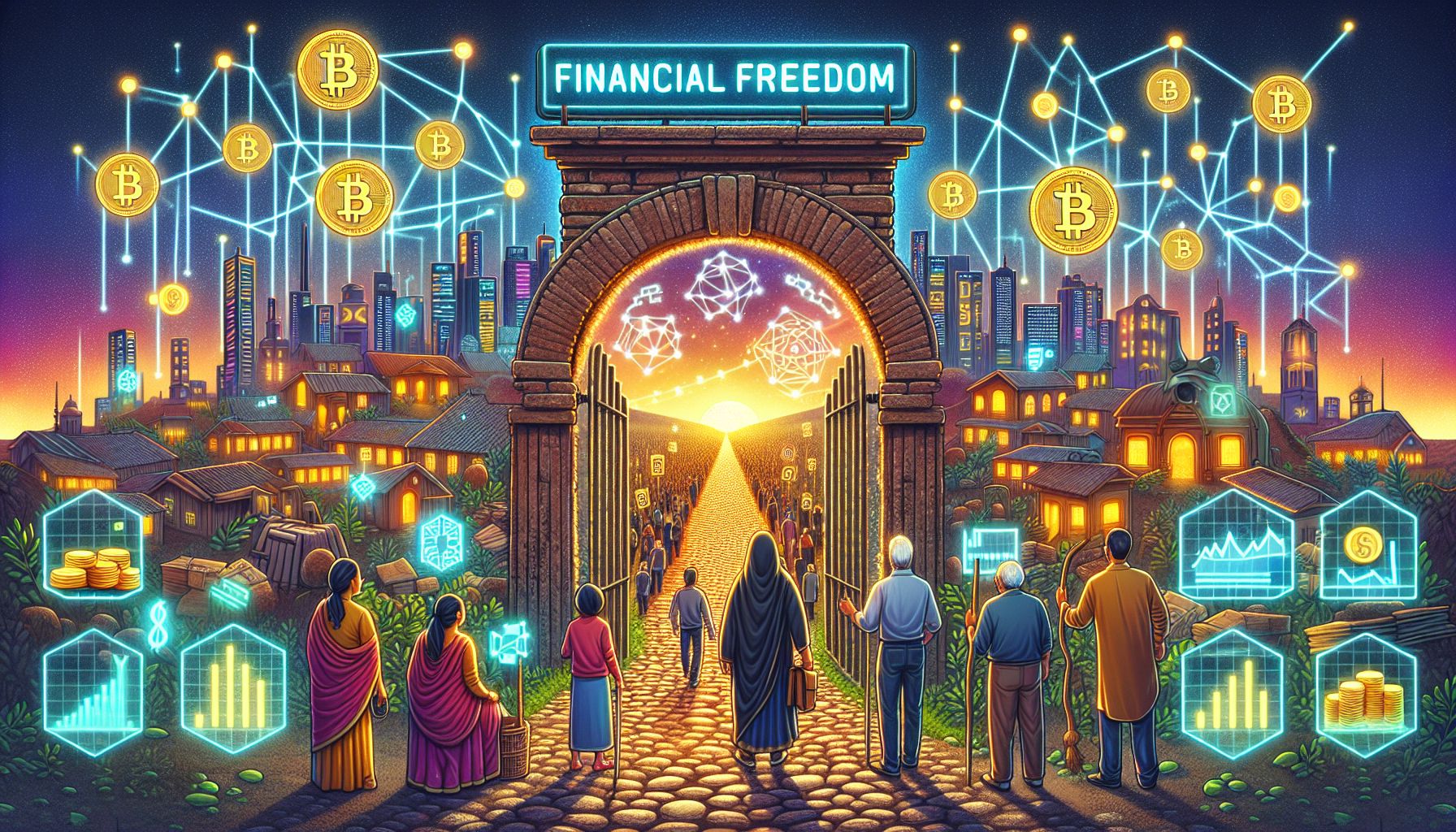
Unveiling the Promise of DeFi: A New Frontier for Financial Freedom
The advent of decentralized finance (DeFi) presents a seismic shift in the world of personal and institutional finance. This burgeoning field is reshaping our access to financial products and services. Positioned as an alternative to the traditional banking system, DeFi leverages blockchain technology to create an open, accessible, and egalitarian financial landscape.
A Brave New World of Finance
At its core, DeFi represents the decentralization of financial systems and services. By employing smart contracts on blockchain networks like Ethereum, DeFi platforms offer users the ability to lend, borrow, trade, and invest without the need for traditional financial intermediaries such as banks or brokers. This not only reduces costs but also increases the speed and efficiency of transactions.
Empowerment Through Transparency
One of the revolutionary aspects of DeFi is its inherent transparency. Transactions on the blockchain are recorded on a public ledger, accessible to everyone. This transparency fosters trust among users and diminishes the risk of fraud and corruption. Moreover, smart contracts automate transactions and ensure they are executed precisely as agreed upon, further reducing the risk of disputes or manipulation.
Accessibility and Inclusivity
DeFi tears down barriers to financial services, particularly for those in unbanked or underbanked regions. With just an internet connection and a digital wallet, individuals across the globe can access a wide array of financial services, from simple transactions to complex financial instruments. This inclusivity has the potential to empower millions with tools for economic advancement previously out of reach.
The Risks and Challenges
However, DeFi is not without its challenges. The very features that give it strength also pose risks. Smart contracts are only as reliable as the code they’re written in, and bugs or vulnerabilities could lead to substantial losses. Additionally, the regulatory landscape for DeFi remains uncertain, and users may face risks from inconsistent or non-existent legal protections.
Embracing a DeFi Future
In conclusion, DeFi has the potential to redefine our relationship with money and the institutions that govern financial transactions. By fostering greater accessibility, transparency, and efficiency, DeFi is paving the way for a future where we have more control over our financial destinaries. As with any emerging technology, caution and education are imperative, but for those willing to engage with and understand it, DeFi offers a new paradigm of financial freedom.